Home › Commercial Concrete Slabs and Flatwork
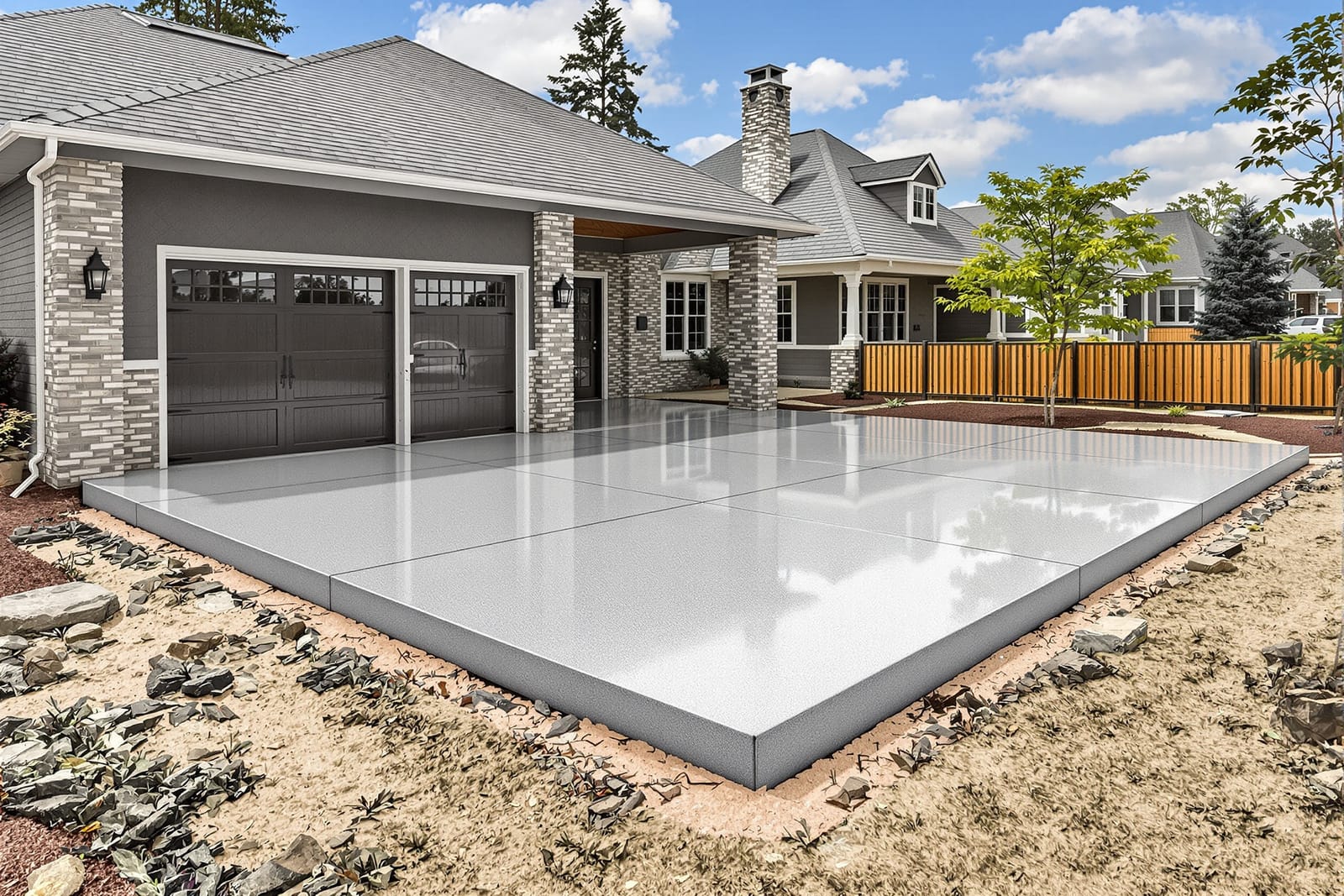
We pour commercial concrete slabs and flatwork in Birmingham, AL for warehouses, loading areas, storefronts, and more. Our crews use proper subbase prep, reinforcement, and finishing techniques to deliver flat, durable surfaces. We coordinate pours to minimize downtime and meet project tolerances.
Birmingham Concreters provides professional commercial concrete slab throughout Birmingham, AL, Alabama and the surrounding area. Our licensed, insured crew delivers safe, clean, on-time work with a free estimate before anything begins. Call (205) 941-6235 or request your free quote.
Commercial Concrete Slabs and Flatwork for Birmingham Businesses
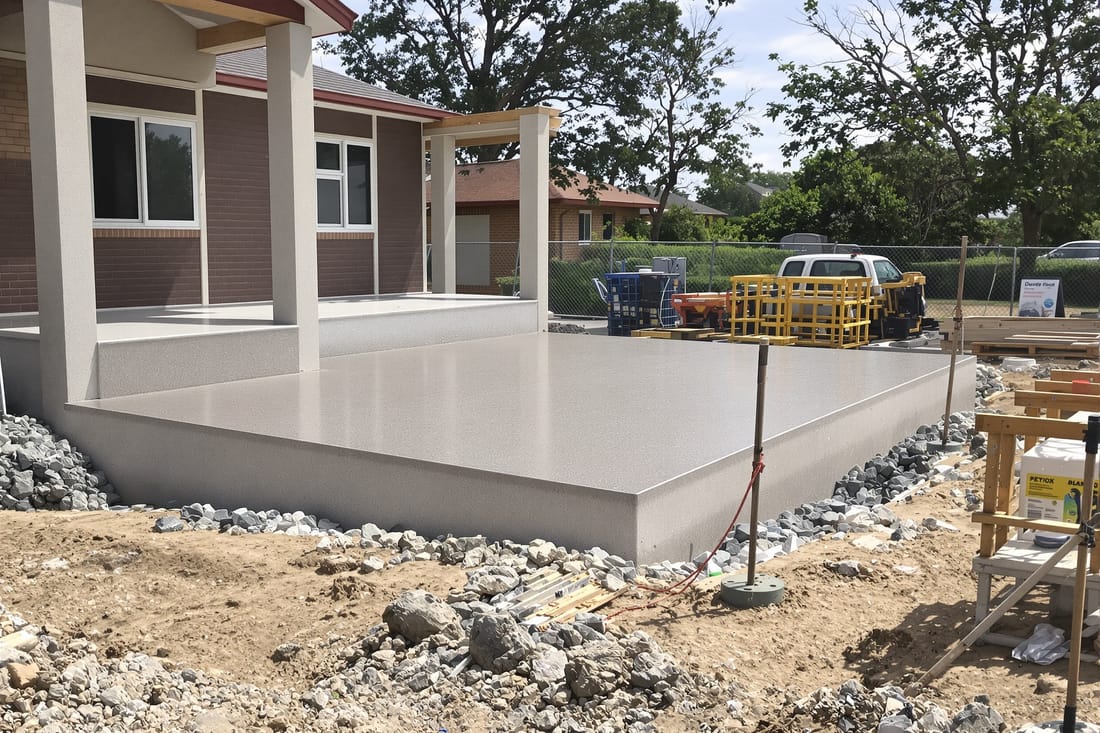
Birmingham Concreters pours and finishes commercial concrete slabs and flatwork for projects across Birmingham and central Alabama. We focus on jobs where the slab has to perform under daily use, like warehouses, shops, loading areas, restaurant patios, and office build outs. Our approach is practical. We match slab design and finish to the actual use of the space, instead of selling the same generic 4 inch pour for every project.
When we look at a commercial concrete slab, we consider what will sit on it, what will roll across it, how often it will get wet, and how easy it needs to be to clean. For a light use office storage room, that might mean a standard slab with a troweled finish. For a forklift aisle in an industrial building, it means thicker concrete, more reinforcing, tighter flatness tolerances, and a harder surface. The goal is to build a slab that holds up in Birmingham’s climate and soil conditions without creating maintenance headaches for the owner.
Because we are local, we know what the city inspectors, fire marshals, and common commercial landlords here typically expect from slab work. If your project has plans stamped by an engineer or architect, we follow them. If you do not have plans for a simple slab, we can offer a practical specification based on your use, local code requirements, and your budget.
How We Plan and Design a Commercial Concrete Slab
Our work on a commercial concrete slab starts with a site visit in Birmingham or the surrounding area. We measure the space, look at access for trucks and equipment, and check existing grades and drainage. If a previous slab has failed, we look closely at cracks, settlement, and moisture problems so we do not repeat the same mistake.
Next we review any drawings and structural notes you already have. If the slab is for a new tenant build out in an existing shell building, we coordinate with your general contractor so we understand loading, floor penetrations, plumbing locations, and future wall lines. For smaller projects like detached commercial garages or small shops, we can discuss slab thickness, reinforcement type (rebar or welded wire mesh), and where control joints will go, then document those choices in a simple proposal.
On many Birmingham projects, we also talk about vapor barriers and insulation. In conditioned commercial spaces, a 10 mil or thicker vapor barrier under the slab helps control moisture so flooring like vinyl, carpet tile, or epoxy does not fail. In non conditioned warehouses, we may recommend selective use of vapor barrier based on use and budget. We walk you through the pros and cons so you understand what you are paying for and why.
Subgrade Prep, Forms, Reinforcement, and Pouring
Most problems with commercial concrete slabs in Birmingham start before the first yard of concrete ever arrives. Our crews spend time on subgrade preparation. We remove soft spots, old fill that is pumping underfoot, and organic material. Where needed, we bring in compactable base material, spread and compact it in lifts, and use plate compactors or rollers to reach the density the slab needs.
We then set forms to the correct elevation and slope. For interior slabs that need to be dead level for racking or machinery, we use a laser level to check elevations across the whole pour area. For exterior flatwork, such as loading docks, dumpster pads, and walkways, we set forms to shed water away from the building and to existing drains, a critical issue in Birmingham’s frequent heavy thunderstorms.
Reinforcement is placed according to the design. That may mean rebar in a grid pattern tied to chairs, welded wire mesh, or heavier reinforcing in specific high load areas like under columns or dock levelers. We also install any sleeves or block outs needed for future plumbing, conduits, or anchor bolts. When the ready mix trucks arrive, we check the mix ticket against the specified strength and slump. Our crew manages the pour so the concrete is placed evenly, consolidated to remove voids, and worked to the correct thickness throughout.
Finishing, Joints, and Surface Options for Commercial Flatwork
Concrete finishing for commercial flatwork is not just about looks, it is about performance and safety. For interior slabs that will receive racking systems or sensitive equipment, we target a flat and level finish, using straightedges, power screeds, and ride on trowels where the project size justifies it. We coordinate with your flooring contractor if the slab will later receive polished concrete, epoxy, tile, or another floor covering, because each has its own tolerance for slab flatness and surface profile.
Joint layout is one of the most important parts of commercial slab work. We cut or saw control joints at specific spacing to guide where shrinkage cracks form, rather than letting random cracks show up later across your warehouse aisle or showroom. For exterior flatwork like sidewalks and access aprons, we hand tool joints where appropriate and saw cut where shrinkage will be more significant. We also install construction joints, dowels, and isolation joints around columns and walls so the slab can move slightly without spalling edges.
Surface options depend on the use. For exterior walkways and entrances, we typically use a broom finish for traction in wet weather. For loading docks and ramps, we may use a heavier broom pattern or a textured finish to improve grip for forklifts and foot traffic. For interior commercial slabs that will remain exposed, we can provide a hard trowel finish or coordinate with a polishing contractor for a densified and polished surface. On jobs that handle oils or chemicals, we can slope to drains and help you plan for coatings that resist spills and make cleanup faster.
Local Conditions, Scheduling, and Cost Factors in Birmingham, AL
Working in Birmingham, we have to respect heat, humidity, and rain. These affect both scheduling and how we place and cure commercial concrete slabs. In the hottest months, usually late June through early September, we often schedule larger slab pours for early morning to avoid rapid surface drying and plastic shrinkage cracking. We may use set controlling admixtures, additional curing methods, and wind screens on exposed sites. In cooler months, we watch nighttime lows and, when needed, use blankets or adjusted mix designs to protect the slab during early strength gain.
Rain is another local challenge. We do not pour a commercial slab if there is a strong chance of rain hitting fresh concrete before it sets. If a slab must be placed during a period of unsettled weather, we bring plastic sheeting and plan for protection so the surface is not damaged or weakened. Part of our job is to be realistic about weather impacts and to communicate schedule adjustments early so your larger project does not get thrown off at the last minute.
Cost for a commercial concrete slab in Birmingham is driven by slab thickness, reinforcement type and density, concrete strength, access for trucks and equipment, and finish requirements. Cutting out and replacing existing slab sections costs more per square foot than new construction because of demo, hauling, and working around existing walls or utilities. We provide itemized proposals that separate base slab work from optional upgrades like thicker slabs, heavier reinforcement, higher psi concrete, or specialty finishes so you can make informed decisions.
Common Problems, Repairs, and How to Hire the Right Concrete Contractor
Many of the calls we get in Birmingham are about fixing commercial concrete slabs that were placed too thin, on poorly compacted fill, or with no thought given to drainage. Symptoms include trip hazards at joints, water standing against buildings, cracked dock aprons, and floor coverings that are bubbling because of moisture vapor. When we evaluate a repair, we look for the root cause. Sometimes a partial depth patch is enough. Other times, a full depth removal and replacement, with corrected base and joints, is the only option that will last.
We also address issues like edge damage at roll up doors, broken dumpster pads, and spalled joints in warehouses. For these problems, we may saw cut the damaged area, remove concrete to sound material, clean and prepare the base, install dowels to tie new concrete into old, and place a higher strength mix or a specialized repair mortar in critical spots. Where existing slabs have significant moisture issues, we can discuss mitigation options to prepare for new flooring or coatings.
When you hire a concrete contractor for a commercial concrete slab in Birmingham, ask specific questions. How will the subgrade be compacted and tested. What slab thickness and reinforcement are they proposing and why. How will control and construction joints be laid out and cut. What curing methods will they use, especially in hot or very cold weather. Birmingham Concreters is prepared to answer these questions in writing and walk the site with you before you commit. That way, the slab you pay for is matched to your actual use, local conditions, and the long term performance you need.