Home › Concrete Slab Installation
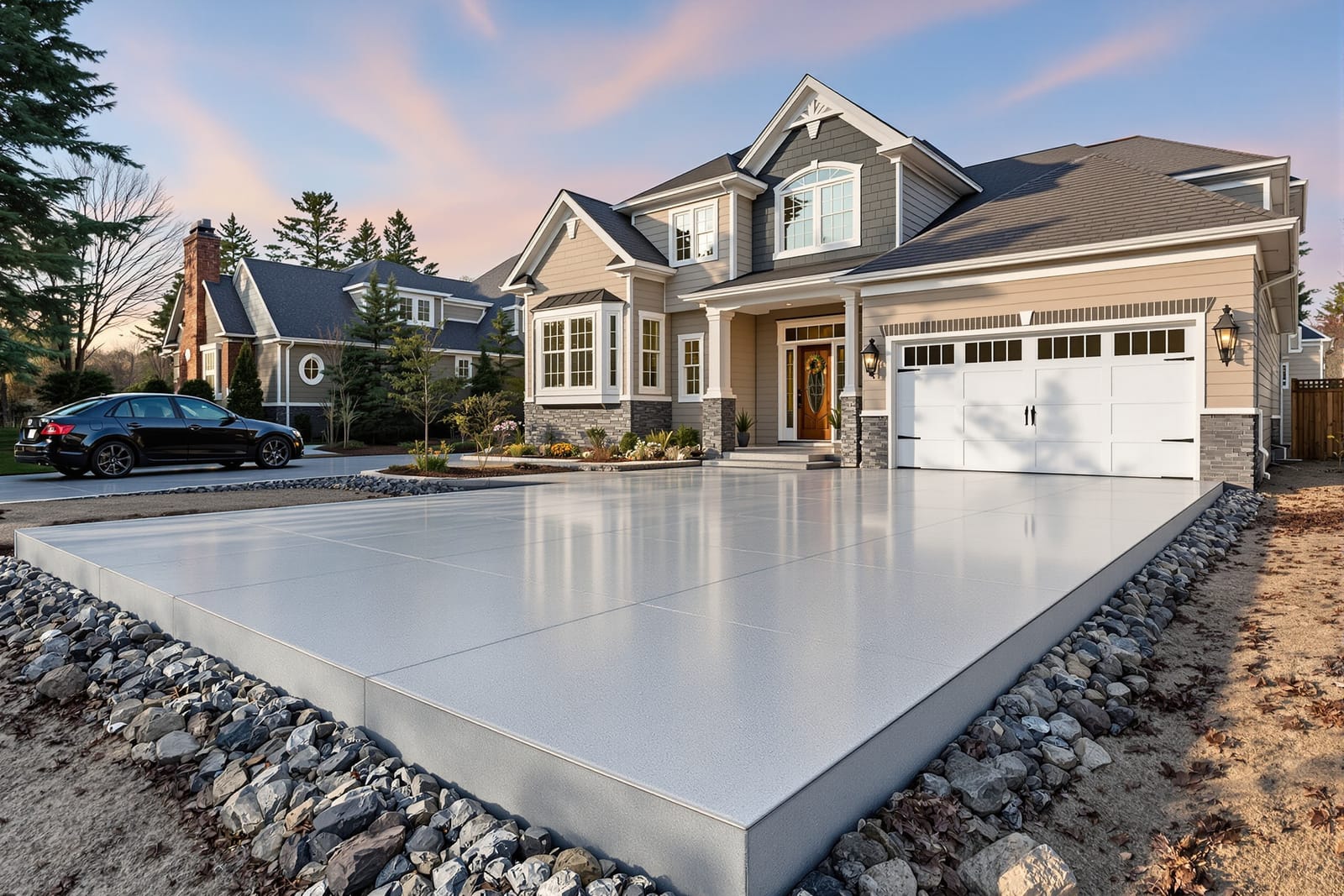
We provide concrete slab installation in Birmingham, AL for sheds, additions, patios, garages, and more. Our team handles excavation, base prep, reinforcement, and finishing for a strong, level slab. Every pour is sized and reinforced to support your structure and resist cracking over time.
Birmingham Concreters provides professional concrete slab throughout Birmingham, AL, Alabama and the surrounding area. Our licensed, insured crew delivers safe, clean, on-time work with a free estimate before anything begins. Call (205) 941-6235 or request your free quote.
Concrete slab installation that holds up in Birmingham conditions
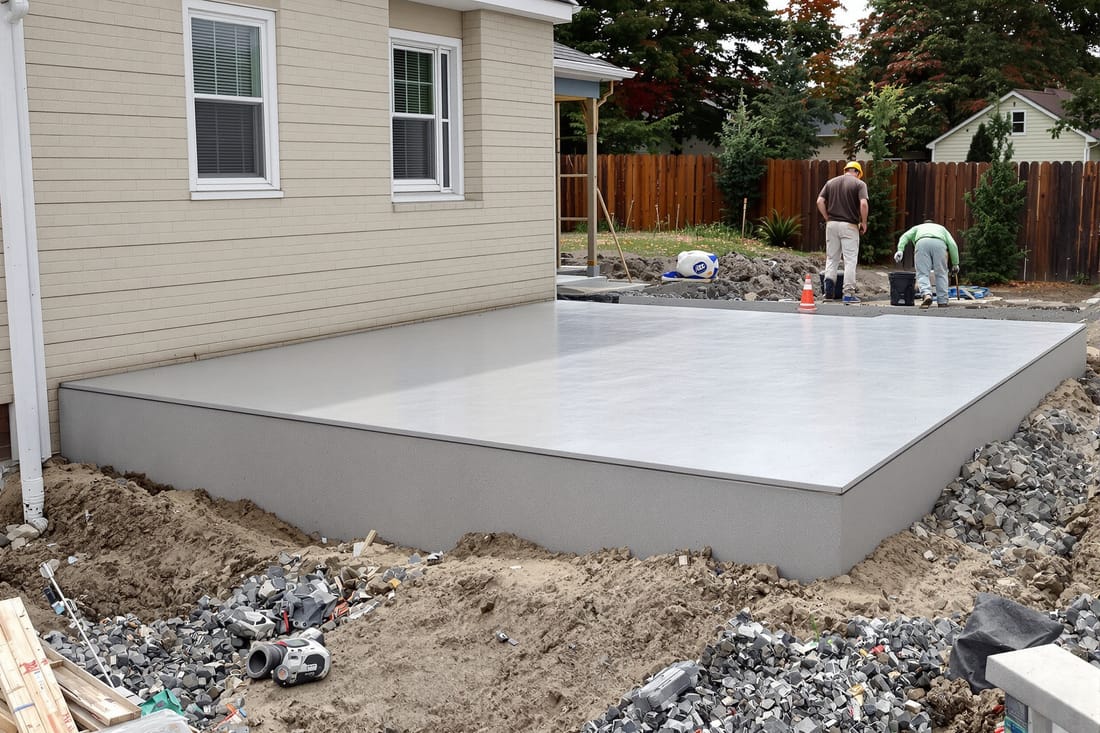
Birmingham Concreters installs concrete slab systems built around how Birmingham soil and weather actually behave. From small backyard sheds to multi-bay garages and commercial pads, we focus on getting the base right first so the slab does not move, crack, or settle unevenly.
In Central Alabama we deal with heavy summer storms, clay that shrinks and swells, and the occasional freeze. Those factors affect slab thickness, reinforcement, and drainage. A cheap, thin slab that might survive in a dry climate will not last on a wet Birmingham lot with red clay. Our crews evaluate where rainwater runs, how soft the subgrade is, and whether tree roots or old fill dirt could cause future problems.
Instead of a one-size-fits-all approach, Birmingham Concreters adjusts mix design, thickness, and reinforcement to what your slab is actually going to support. A driveway or RV pad needs different specs than a patio or interior house slab. We explain why we recommend each option so you know exactly what you are paying for and what performance you can expect over the next 10 to 20 years.
How we install a concrete slab step by step
A durable concrete slab in Birmingham starts well before any concrete truck shows up. Our process is methodical so there are no surprises once the concrete cures.
1. Site visit and measurements. We come out to your property to check slope, access for trucks, nearby structures, and existing concrete. We also look for drainage issues and soft spots in the soil. Measurements are taken for length, width, thickness, and elevations so surface water will run off correctly.
2. Layout and excavation. We mark the slab footprint with string lines and stakes, then excavate to the required depth. This usually means removing topsoil and any loose fill until we reach stable ground. In many Birmingham yards, that means cutting through a layer of roots and old construction debris, which we haul away.
3. Subgrade preparation and base. We compact the native soil with a plate compactor, then typically add 3 to 6 inches of crushed stone or gravel, depending on load requirements. That base is graded to the right slope and compacted in layers. This step is critical on our local clay, which can pump and shift if not well supported.
4. Forms and reinforcement. We build straight, level wood or metal forms to define the slab edges and set final elevation. Reinforcement is added based on use: rebar grid, wire mesh, or in some cases fiber-reinforced concrete. For driveway and garage slabs we usually space rebar on a 12 to 18 inch grid to control cracking.
5. Concrete placement and finishing. We schedule the concrete truck to avoid the hottest part of the day when possible, or we adjust the mix and crew size to keep up with set times. Concrete is placed, spread, and screeded to level, then bull floated to bring up paste. We cut in control joints at planned locations to manage where hairline cracks develop. Finishes can range from a simple broom finish to smooth trowel or decorative options.
6. Curing and protection. In our climate, proper curing matters. We usually apply a curing compound or keep the slab lightly damp and covered for the first few days, especially in summer. We block access so vehicles and heavy loads do not go on the slab too early. We provide you with clear timelines for walking, placing furniture, and driving on the new surface.
Concrete slab options for different uses
Not every concrete slab is built for the same purpose, so Birmingham Concreters tailors the design to what you are actually building or parking on it.
Patios and outdoor living slabs. For basic patios where you will place furniture and a grill, a 4 inch slab with proper reinforcement and a broom or light texture finish is usually enough. If you plan to add a heavy outdoor kitchen or brick fireplace later, we may thicken certain areas or add extra rebar.
Driveways, RV pads, and parking slabs. For vehicle traffic, we often recommend a 5 to 6 inch concrete slab, sometimes thicker for RVs or work trucks. A stronger concrete mix and tighter rebar spacing helps resist cracking from point loads and our common hot-cold cycles. We also pay close attention to transitions to the street to avoid chipping at the edge.
Garage and shop floors. Interior slabs need flatter tolerance so doors close properly and machinery sits level. Here we focus on precise elevations, vapor barriers where needed, and surface finishes that accept epoxy or other coatings later. On many Birmingham garage projects we thicken the edges and around support posts to handle column loads.
Storage buildings and sheds. For backyard sheds and small workshops we often pour a monolithic slab with thickened edges so the slab and footing are done in a single pour. This works well in our area for speed and cost control while still giving the structure a solid foundation.
Specialty slabs. If you need a generator pad, AC pad, hot tub slab, or equipment pad, we adjust thickness and reinforcement to the specific weight and footprint of that equipment. In some cases we embed anchor bolts or sleeves so your installer can tie into the concrete properly.
What affects the cost of a concrete slab in Birmingham
Concrete slab pricing is driven by more than just square footage. Birmingham Concreters is straightforward about the factors that move the number up or down so you can plan a realistic budget.
Access and site conditions. Tight backyards, steep driveways, or limited truck access can require more labor or concrete pumping instead of direct chute placement. If we have to haul out a lot of unsuitable soil or deal with tree roots and stumps, that adds time and disposal costs.
Thickness and reinforcement. A 4 inch patio slab will cost less per square foot than a 6 inch RV pad with a rebar grid. Using rebar instead of only wire mesh, or tightening the spacing for heavy loads, raises material and labor cost but substantially improves performance.
Concrete mix and finish. Higher strength mixes, fiber reinforcement, or air-entrained concrete for exposed slabs can change the price. Finishes such as decorative broom patterns, light stamping, or saw-cut designs also add labor. Most residential slabs in Birmingham use a standard broom finish for traction and cost control, but we can price alternatives.
Drainage and grading. If your yard holds water or slopes poorly toward the house, we may need to do additional grading or install basic drainage measures before pouring the slab. That work protects the slab and your foundation, but it does affect the final invoice.
Timing and season. Summer heat and sudden storms are normal in Birmingham. Occasionally we need extra crew members, additives, or weather protection for complex pours, particularly on commercial slabs with tight schedules. We discuss these factors upfront so there are no surprise add-ons later.
Common slab problems in Birmingham and how we prevent them
Our local climate and soil create repeat issues that we design around from the start. Birmingham Concreters focuses on prevention instead of patching problems later.
Cracking. All concrete will develop hairline cracks, but uncontrolled cracking and wide gaps come from poor base prep, missing joints, or wrong reinforcement. We control this with a compacted gravel base, properly spaced control joints, and rebar or mesh tied correctly. We also avoid adding excess water to the mix on site, which weakens the slab.
Settlement and sinking. Slabs often sink where contractors poured over soft topsoil or un-compacted fill. We remove organic material, compact in layers, and avoid building on top of loose backfill next to foundations. On known problem spots we may over-excavate and bring in better base material.
Water pooling. Flat slabs with no thought given to drainage collect water that leads to slick surfaces and freeze-thaw damage on colder nights. We set a controlled slope away from structures, usually around 1/8 to 1/4 inch per foot, and coordinate with existing grades so you do not end up with water trapped against your house.
Surface scaling and spalling. In our area, surface damage often comes from finishing the concrete too early or letting water sit on it while it cures. We monitor timing carefully, especially in humid conditions, and use curing methods that protect the top layer. For driveways and exposed slabs we recommend against using harsh deicers that can attack the surface.
Poor alignment with existing concrete. When tying a new slab into an old one, mismatched heights and weak cold joints can cause trip hazards and cracking at the seam. We either dowel into the existing slab with rebar or create a controlled joint with sealant, depending on how the two slabs are expected to move.
What to expect when you hire Birmingham Concreters
Before any work starts, we walk the site with you and review how you plan to use the slab. You get a written estimate that spells out slab thickness, reinforcement type, finish, and any grading or removal work. We explain where control joints will go and how we are managing water runoff.
On pour day we arrive with forms, base material, reinforcement, and tools ready before the truck shows up, so the concrete is placed as efficiently as possible. We keep you updated on start time, especially if we are working around thunderstorms or heat advisories, which are common around Birmingham.
After finishing the concrete slab, we give you clear instructions for curing and when each kind of use is allowed, walking, light use, and vehicle traffic. For most residential slabs in our climate, light foot traffic is fine after about 24 hours, with vehicles waiting at least a week, sometimes longer for very heavy loads.
Birmingham Concreters is fully insured and focused on concrete work, not general handyman jobs. That focus lets us stay current on mix designs, reinforcement options, and local code expectations. If you are in Birmingham or nearby communities and need a concrete slab installed, we are ready to look at your site, answer specific questions, and put together a plan that fits both your property and your budget.